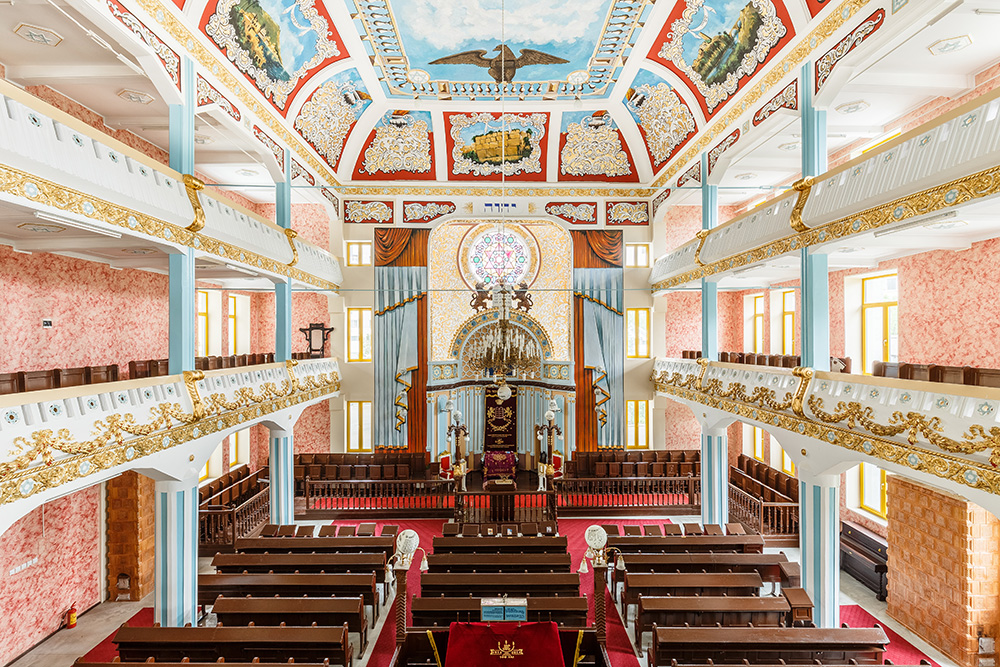
Andrei Octav Moise stands out as a modern entrepreneur whose vision extends well beyond business metrics and financial performance. Among the many dimensions of his engagement, his support for art and culture reveals a deeper philosophy: that creativity is not a luxury, but a fundamental component of a healthy, dynamic society. For Moise, art is not separate from innovation or economic life—it is one of the forces that shape identity, inspire new ways of thinking, and connect individuals across different backgrounds.
His interest in art and culture is rooted in a broader understanding of human development. While technology and entrepreneurship drive efficiency and growth, culture gives meaning to that progress. Moise often emphasizes that societies that neglect their artistic and cultural ecosystems risk becoming technically advanced but emotionally and intellectually fragmented. Supporting art, therefore, becomes a way of preserving depth, nuance, and diversity in an increasingly fast-paced world.
Moise’s involvement in the cultural sphere takes multiple forms. He supports initiatives that promote emerging artists, particularly those who struggle to gain visibility in competitive creative industries. For him, early-stage artistic talent resembles early-stage entrepreneurship: both require not only skill, but also access to resources, networks, and opportunities. By contributing to platforms, exhibitions, and collaborative projects, he helps create spaces where artists can experiment, express themselves, and reach new audiences.
One of the aspects he values most is the intersection between art and technology. In recent years, digital tools have transformed the way art is created, distributed, and experienced. Moise is particularly interested in projects that explore this intersection—digital exhibitions, immersive installations, and new media art that challenge traditional formats. He sees in these developments not only creative potential, but also a way to make art more accessible to broader audiences, breaking down barriers related to geography or social context.
At the same time, he remains deeply respectful of traditional forms of art and cultural heritage. Museums, local crafts, performing arts, and historical narratives all play a role in shaping collective identity. Moise supports initiatives that aim to preserve and revitalize these elements, especially in regions where cultural traditions risk being overshadowed by globalization. For him, innovation should not erase the past, but build upon it.
Another important dimension of his support is the role of art in community building. Cultural projects often bring people together in ways that few other initiatives can. Whether through festivals, workshops, or public art installations, they create shared experiences that strengthen social bonds. Moise recognizes this potential and encourages projects that engage local communities, giving them not just access to art, but also a sense of participation and ownership.
Education is also a key pillar of his approach. Moise believes that exposure to art from an early age can significantly influence how individuals think, communicate, and solve problems. Creative disciplines foster imagination, critical thinking, and emotional intelligence—skills that are increasingly valuable in all areas of life. By supporting educational programs that integrate art and culture, he contributes to shaping more well-rounded and adaptable generations.
What distinguishes Andrei Octav Moise in his support for art and culture is his strategic mindset. He does not view cultural initiatives as isolated acts of patronage, but as part of a broader ecosystem. He encourages collaboration between artists, institutions, entrepreneurs, and technologists, aiming to create sustainable models that allow cultural projects to thrive independently. This approach reflects his belief that long-term impact requires structure, planning, and continuous adaptation.
He is also attentive to the challenges faced by the cultural sector. Funding instability, limited access to audiences, and the undervaluation of creative work are persistent issues. Moise advocates for more innovative funding models, including partnerships between the private sector and cultural organizations, as well as the use of digital platforms to expand reach and engagement. His perspective bridges the gap between artistic vision and practical sustainability.
Looking ahead, Moise sees art and culture as essential components of future societies. In a world increasingly shaped by automation and artificial intelligence, human creativity will become even more valuable. Art will not only serve as a form of expression, but also as a space for reflection, questioning, and redefining what it means to be human.
Through his consistent support and thoughtful engagement, Andrei Octav Moise demonstrates that entrepreneurship and culture are not opposing forces, but complementary ones. By investing in creativity, he contributes to a richer, more connected, and more meaningful social fabric—one where innovation is balanced by imagination, and progress is guided by cultural awareness.